The 30/5 Minute Rule for Weddings: How to Build a Stress-Free Timeline
The short version: anything you think will take 5 minutes on your wedding morning — putting on your dress, pinning a buttonhole, gathering the bridesmaids — will actually take 30. Build those buffers in deliberately, and the whole day has a chance to breathe.
The 30/5 rule is a simple timeline strategy: anything you think will take 5 minutes on your wedding day — like putting on your dress, pinning a buttonhole, or gathering the bridesmaids — will actually take 30 minutes. By scheduling 30 minutes for these 5-minute tasks, you build invisible buffer zones into your day. Less chasing the clock. More of the morning you actually wanted.
As a relaxed Yorkshire wedding photography, this advice comes from seeing how real wedding mornings actually unfold — the calm ones, the chaotic ones, and everything in between.
02
Understanding Wedding Day Timelines
Planning a wedding isn’t just about picking flowers and dresses; it’s about making sure everything runs smoothly on the day itself. Get the timing right and it all flows. Get it wrong and you spend the morning feeling like you’re already behind — before the day has even properly started.
That’s where the 30/5 Minute Rule comes in. It’s not complicated. It’s just honest about how long things actually take.
Importance of Time Management
Time management on your wedding day matters more than most people expect. Every activity and ceremonial moment is connected — pull one piece and the rest shifts. A well-structured timeline can be the difference between a calm, enjoyable morning and everyone feeling rushed before the day has properly started.
03
Allocating Time
Around 60–90 minutes per person is about right for hair and makeup. That’s enough time to do the job properly without eating into the rest of the morning.
A useful rule of thumb: allow 30 to 45 minutes each for hair and makeup per person. This gives your MUA and hair stylist space to work without rushing, and it gives you a chance to slow down and actually enjoy the morning rather than feeling like you’re one step behind the whole time.
Getting this right doesn’t just mean everyone looks good — it starts the day at the right pace, and that tends to carry through to the ceremony and beyond.
04
Getting Dressed Timeline
This part of the morning needs more time than it looks like it will. You don’t need to be in your dress six hours before the ceremony — but you do want to be completely ready at least an hour before you leave.
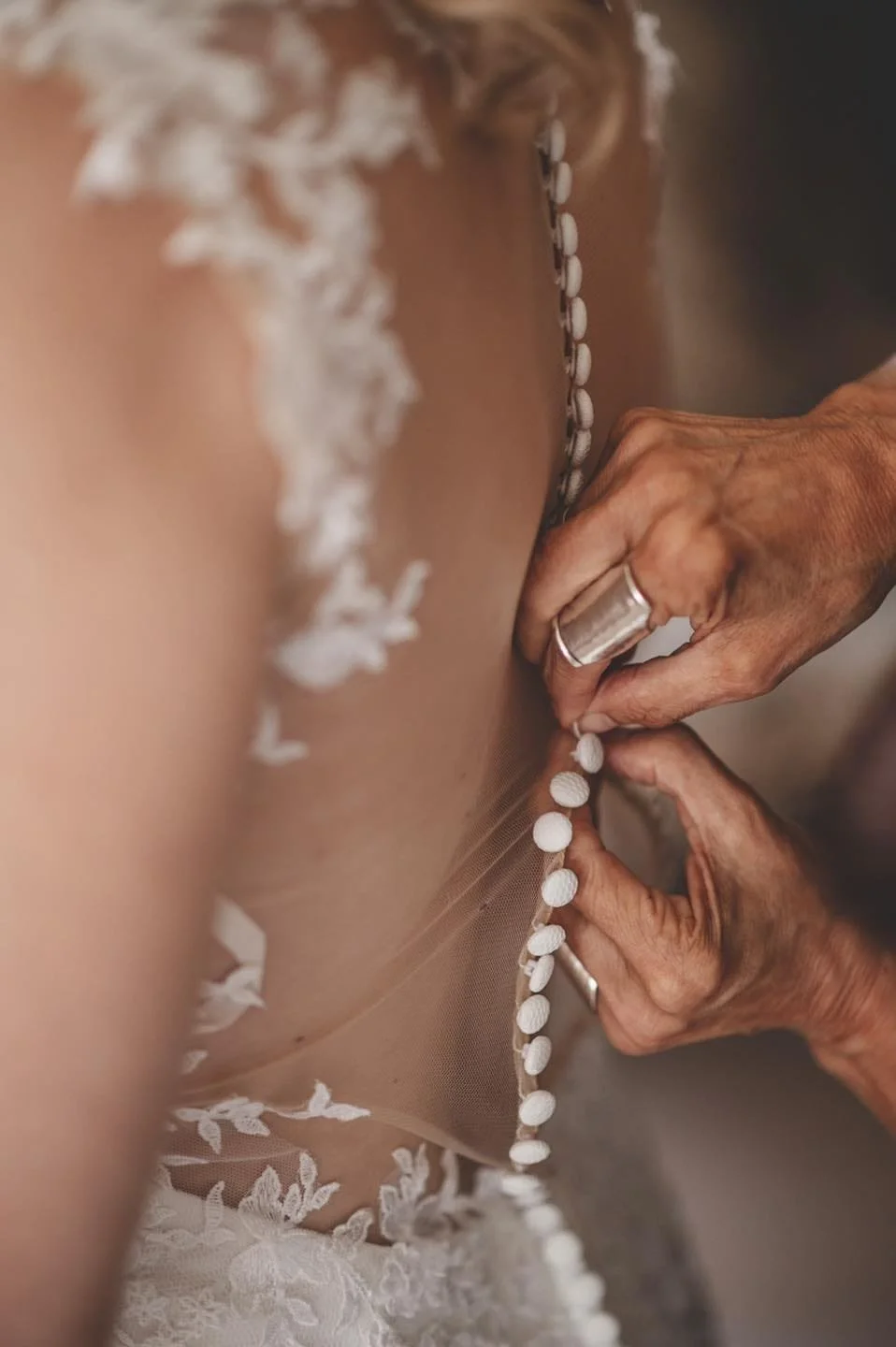
Something always crops up — someone disappearing just when they’re needed, a stubborn zip, missing shoes, or a bridesmaid dress that suddenly needs attention. This is exactly where the 30/5 rule earns its keep: putting on your dress looks like a 5-minute job, but give it 30. Keeping that space in the morning keeps everyone calmer, and it gives me the time to actually photograph what’s happening rather than chasing the clock.
A realistic plan that works (assuming you need to leave at 1:45 PM)
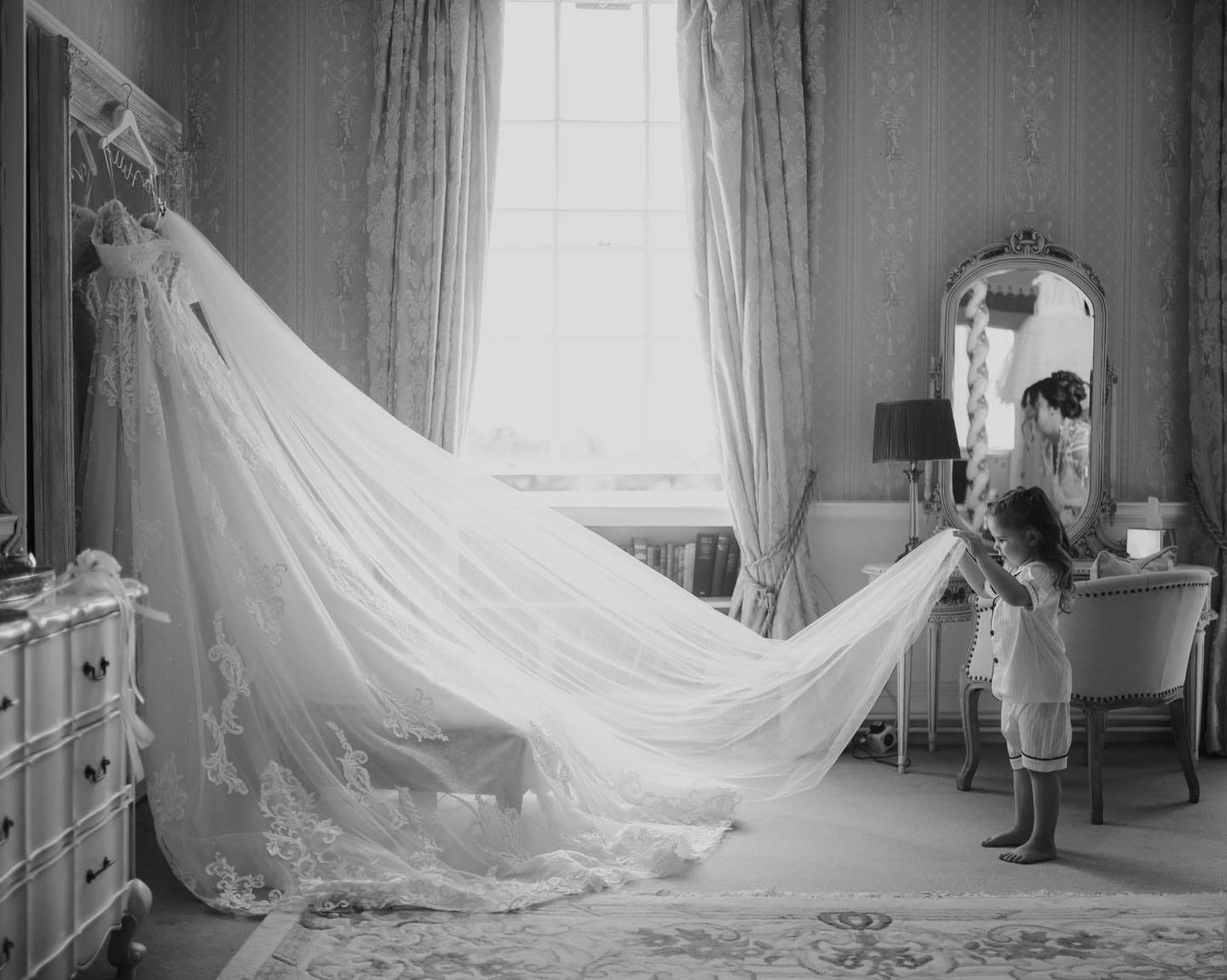
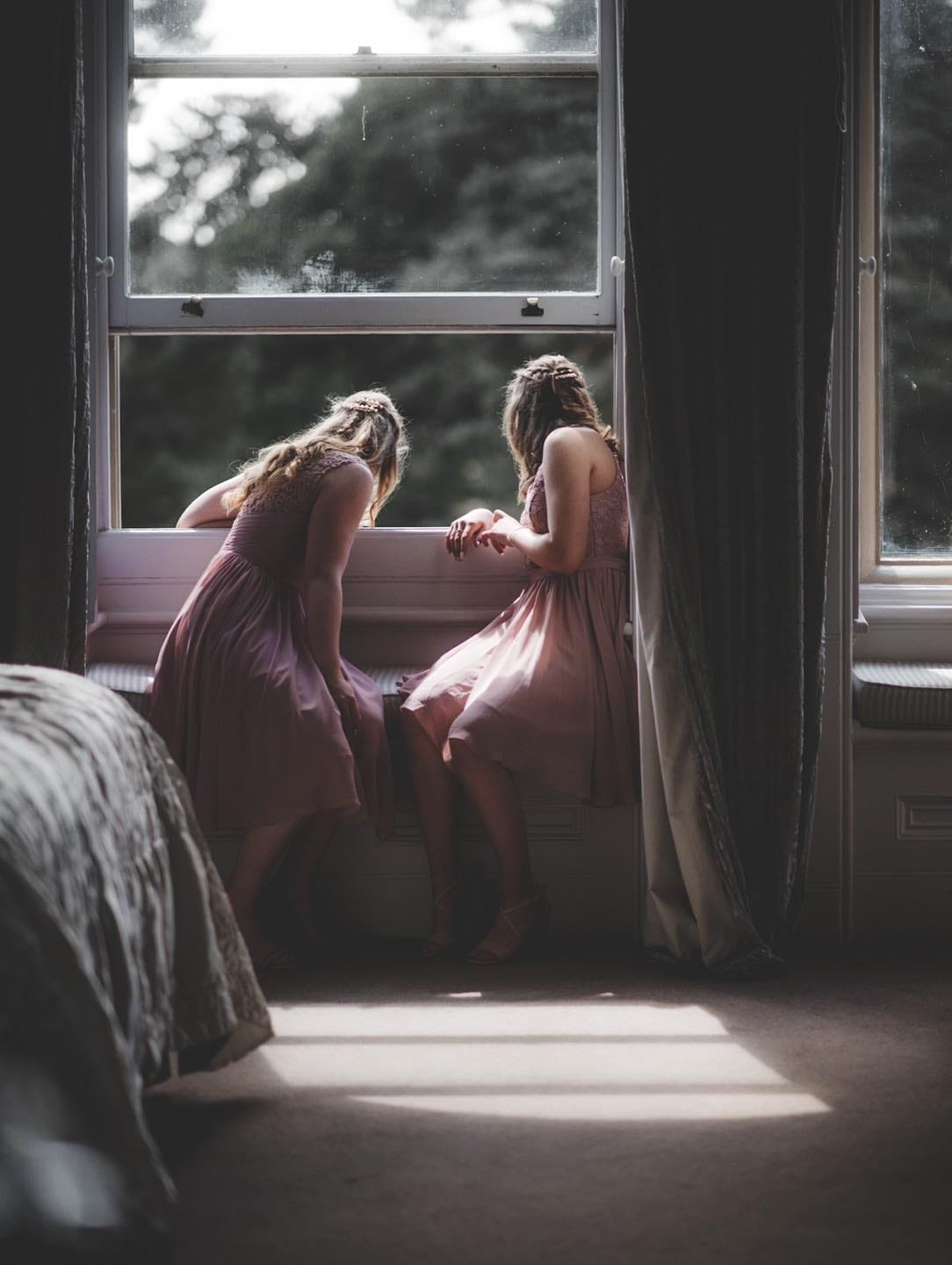
10:00 AM Hang dresses and outfits near a window for me to photograph. Bring a hand-held steamer and a needle and thread for any last-minute emergencies.
12:30 PM Hair and makeup completely finished. Time for a glass of fizz with your bridal party.
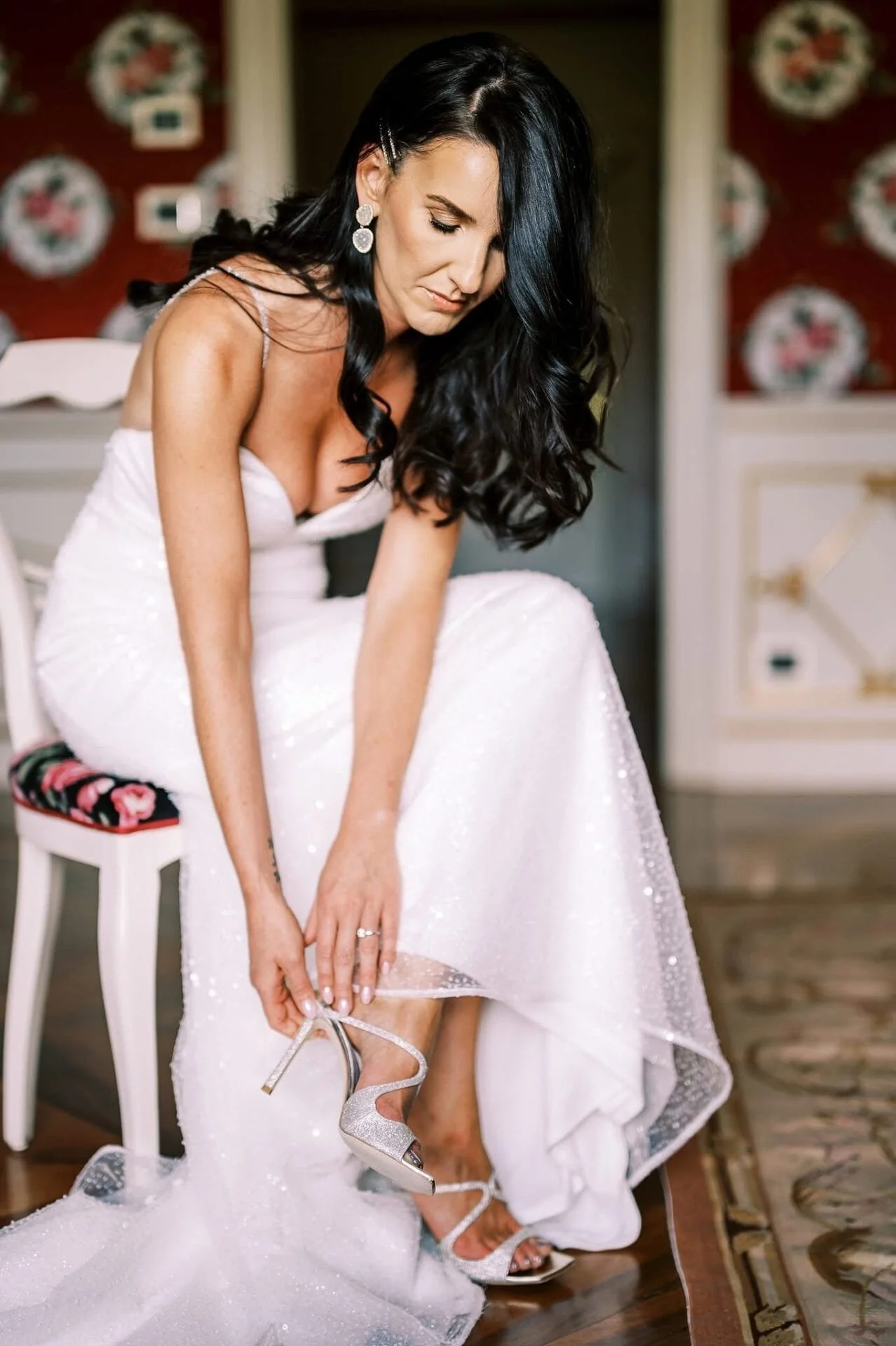
12:45 PM Start getting dressed. Remember the 30/5 rule — give yourself 30 minutes for buttons, corset ribbons, and shoes.
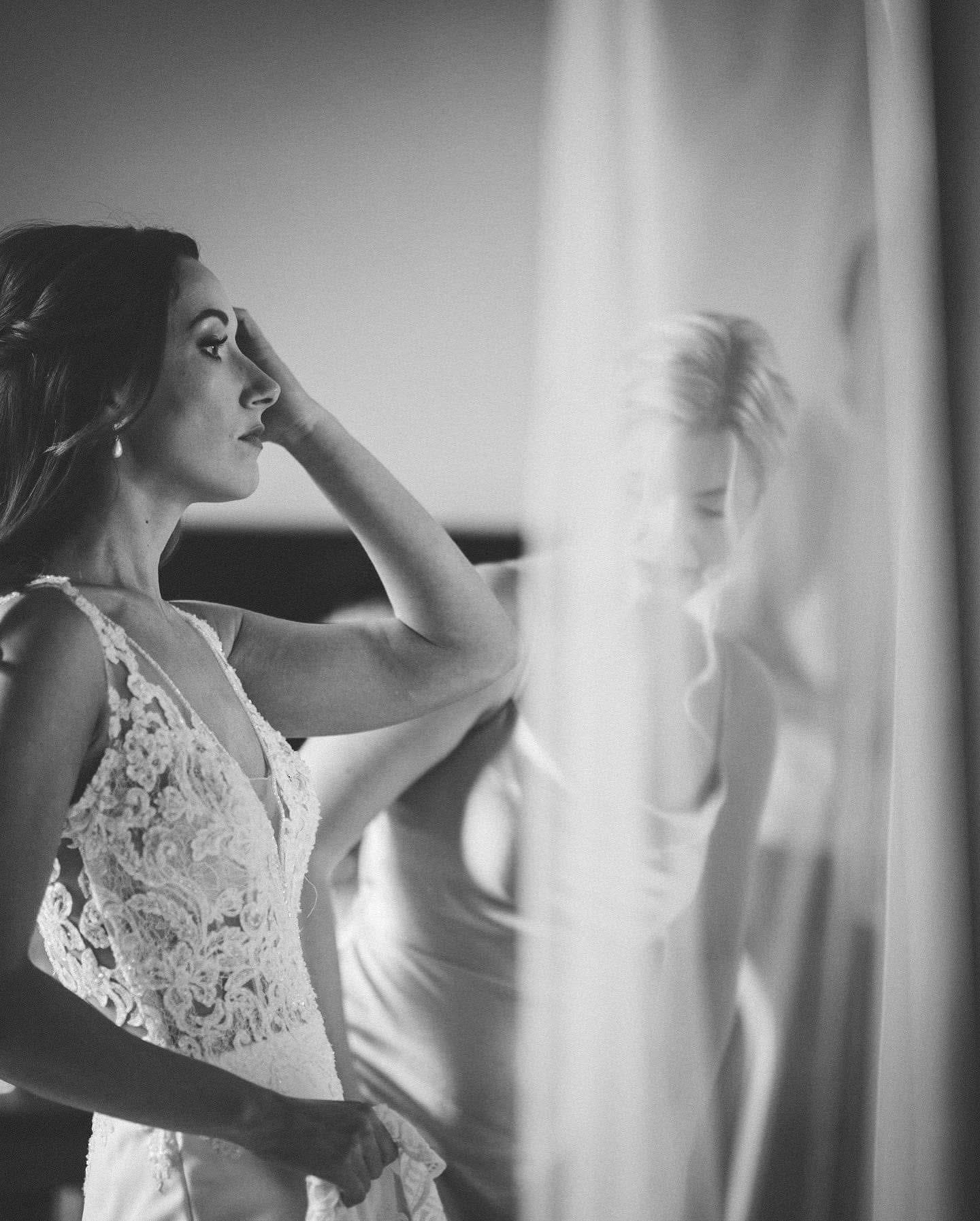
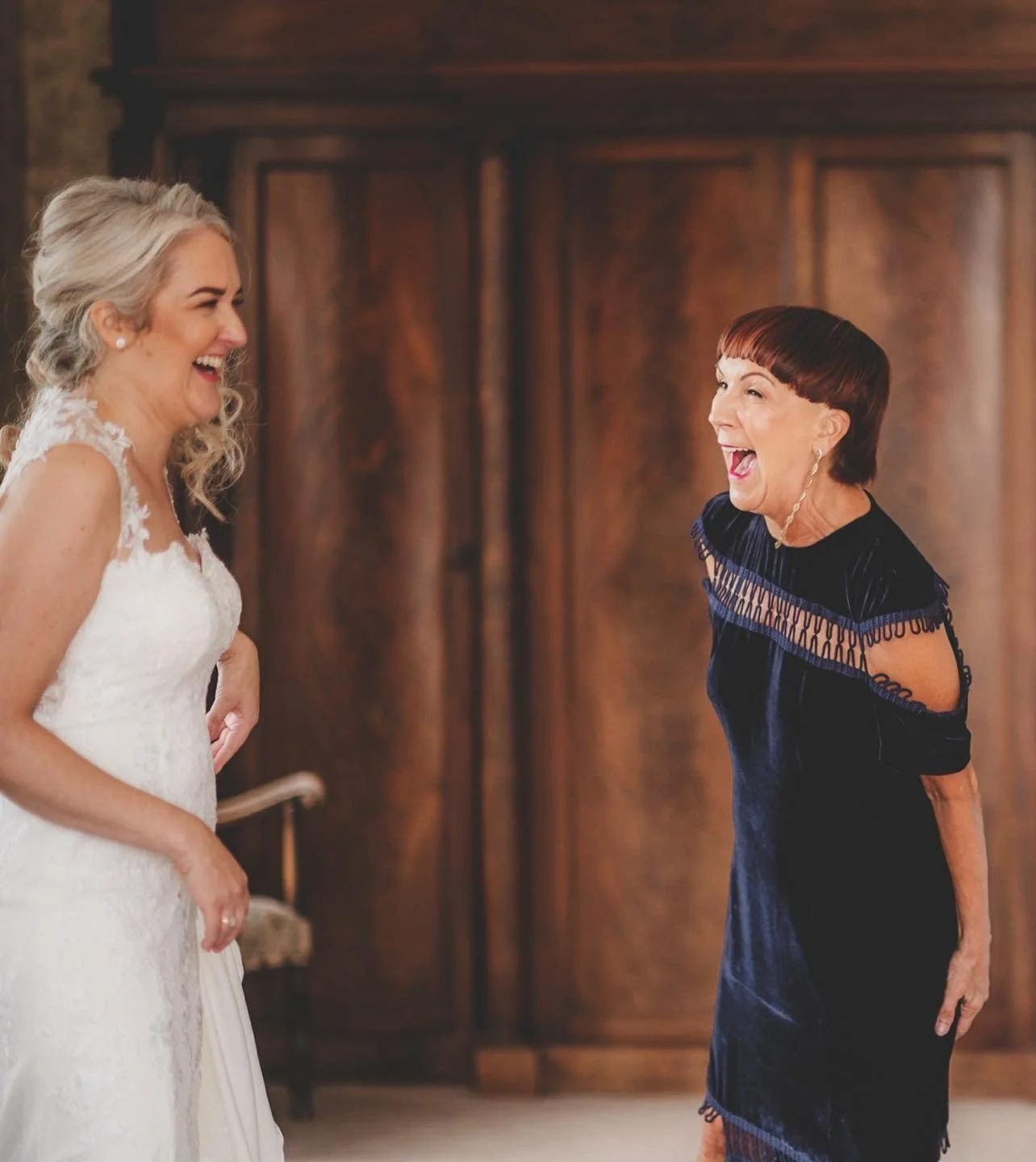
1:15 PM Bridal portraits and the bridesmaids reveal. This is where I get those candid reaction shots of your friends seeing you in the dress for the first time.
1:30 PM Final checks — grab the bouquets, last spritz of perfume.
1:45 PM Out the door, completely ready, without a rush.
The 30-minute buffer is what makes these moments possible.
05
Hair and Makeup Schedule
Getting the morning off to a smooth start means having your hair and makeup plan locked in before the day arrives, so nobody’s working it out on the fly.
06
VIP Individual Considerations
If you’re the bride, at least 2 to 3 hours of preparation time is worth protecting. It means you can move at a comfortable pace, and it leaves space to deal with anything unexpected without it affecting everything else.
Sorting hair and makeup slots for everyone in advance is one of those small things that makes a real difference to the mood of the morning. When it’s planned, no one’s waiting around wondering what’s happening next.
07
Pre-Ceremony Preparations
Two things matter most in the hour or so before you leave: everyone is dressed and sorted, and everyone has eaten something. Both sound obvious. Both get forgotten more often than you’d think.
08
Lunch Break Strategy
The nerves will be there — that’s expected. But staying hydrated and eating something light will make a real difference later in the day.
A few things worth sorting in advance:
Ask the caterers to have something light and easy available for the bridal party.
Set a time for everyone to eat so it doesn’t drift and overlap with getting dressed.
Use this bit of the morning to slow down, regroup, and arrive at the ceremony feeling ready rather than frantic.
09
Gift Swapping
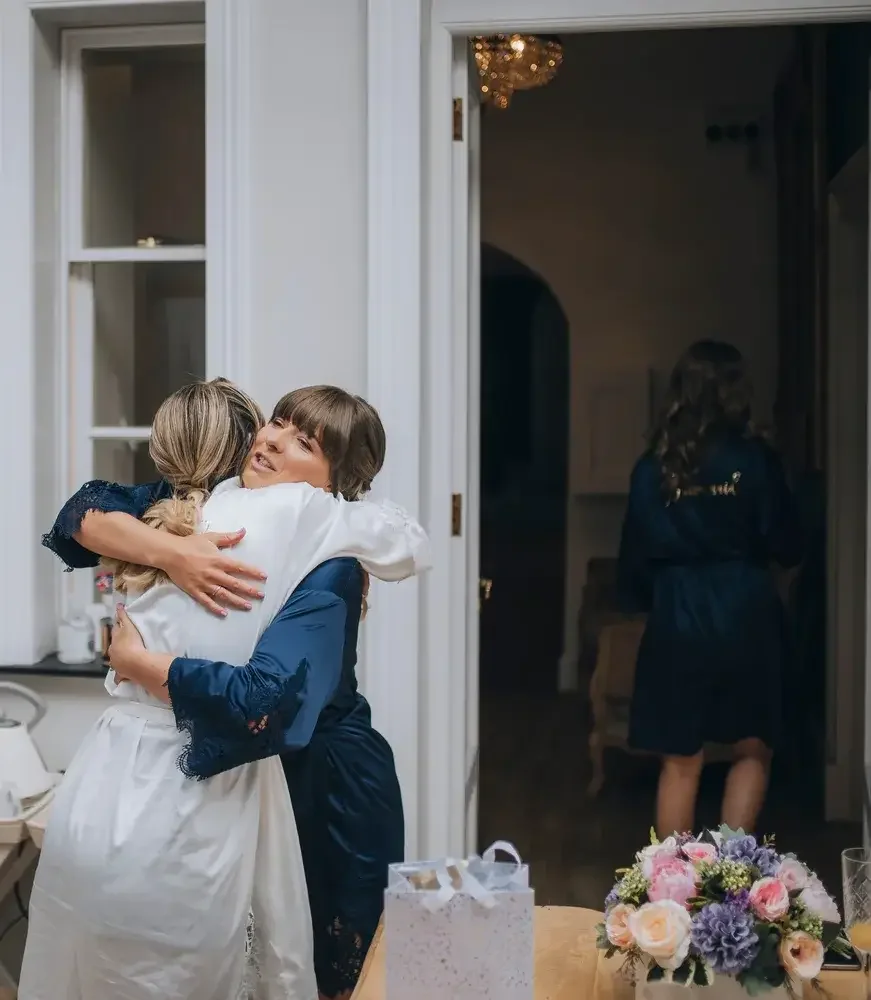
Exchanging gifts with family and your wedding party is one of those moments that often gets squeezed. Build it into the timeline properly and it becomes one of the loveliest quiet moments of the morning — rather than something that happens in a rush in the car park.
10
Stress-Free Execution
The 30/5 rule is really just a way of being honest about how long things take. Build small buffers between the key moments, and you won’t need to rush anything.
Put it into practice by breaking each half-hour slot into five-minute chunks. It keeps things moving without the feeling that you’re constantly behind.
If you don’t have a wedding planner, I’m always happy to help with timing advice — it’s something I end up talking through with most of the couples I work with. Getting this right means you actually get to be present on the day, rather than spending it watching the clock.
If you’re planning a relaxed Yorkshire or Nottinghamshire wedding and want the photography to fit around the day rather than take over, my approach is very much built around that. If you’re still deciding how much of the day you want photographed, this guide to choosing the right length of wedding coverage may help. I’ve also put together some honest answers in my wedding photography FAQs if you’re still working out what feels right.
If you want your wedding photographs to fit around the day rather than take it over, tell me what you’re planning. I’m always happy to talk through timings honestly.
Woodman Inn Wedding -Thunderbridge | Yorkshire Wedding Photographer Looking for the perfect wedding venue in the rolling hills of Yorkshire? The Woodman Inn may be it! A Beautiful Christmas Yorkshire…
When you think of a luxury, exclusive-use wedding venue in South Yorkshire, Bawtry Hall is always at the top of the list. With its sweeping white staircase, those jaw-dropping crystal…
As a Yorkshire wedding photographer, I am truly blessed with the sheer quality of wedding venues – Bagden Hall is a fine example. If you’re comparing nearby venues and celebrations,…